Perfect Rose: A Designer’s Real-World Review
First Impressions: Elegance Without the Fuss
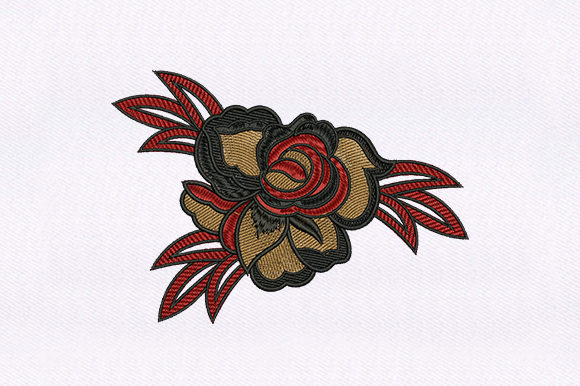
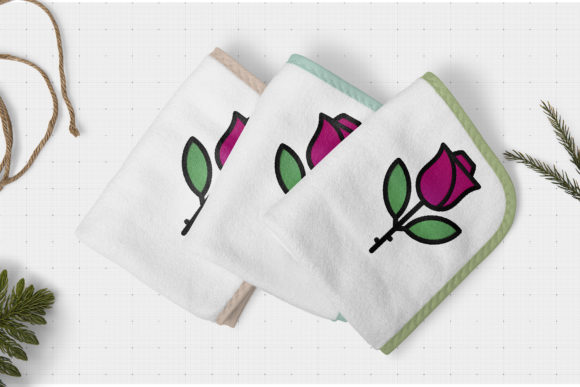
Opening the Perfect Rose embroidery file, I immediately felt a sense of classic charm. It’s not overly dramatic, but it carries a soft elegance that works well across a variety of projects. The design is a single rose, clean and stylized without being too abstract. It leans toward a timeless aesthetic, making it a versatile choice for both modern and traditional applications. The layout feels balanced, with enough detail to show craftsmanship but not so much that it becomes overwhelming on smaller items.
The visual personality is warm and approachable, which makes sense for a design labeled under Single Flowers. It’s not flashy, but it’s definitely noticeable—ideal for a boutique product or personalized gift where subtlety meets quality.
Real-World Use: From Sweatshirts to Baby Onesies
I tested Perfect Rose on a few different items, starting with a custom embroidered tote bag. The design scaled well across different hoop sizes, which is a big plus for an embroidery file that’s offered in five variations. It held its shape nicely on cotton canvas, and the stitch definition remained crisp even when I layered it with a lightweight interfacing for extra stability.
Next, I stitched it onto a sweatshirt for a client’s boutique line. The satin and fill stitches held up well on the heavier knit fabric, and the overall density felt just right—not too stiff, not too sparse. It gave the garment a boutique-level finish without looking mass-produced. The rose maintained its visual appeal even after a quick wash test, with no puckering or thread breakage.
For a more delicate application, I tried it on a baby onesie. The smaller hoop size worked fine, but I noticed that some of the finer details in the petals started to blend slightly on thinner fabric. It still looked good, but I’d recommend using a lightweight stabilizer to preserve clarity, especially for this type of project.
Where It Shines: Gifting, Apparel, and Décor
Perfect Rose is the kind of machine embroidery design that quietly elevates a product. It’s ideal for personalized gifts like embroidered kitchen towels or pillow covers, where the design can stand out without competing with the item’s function. I tried it on a linen tea towel and was pleased with how the rose added a touch of handmade charm without overshadowing the fabric’s natural texture.
It also works well for custom apparel and small shop products. I stitched it onto a denim cap for a friend’s Etsy shop, and the result was clean and professional. The rose felt like a natural fit for a boutique brand that leans into minimalism with a hint of personality.
For holiday or wedding gifts, pairing it with a monogram or date in a coordinating font could add a nice layer of customization. I wouldn’t recommend it for heavily layered designs unless you’re experienced with underlay and layering techniques—there’s enough detail in the petals to risk muddiness if not stitched carefully.
Where to Be Careful: Fabric and Fit Considerations
While Perfect Rose performed well in most situations, there are a few scenarios where caution is needed. On dark fabrics, the thread color contrast became more critical. I had to test a few combinations before finding one that made the rose stand out without looking garish. A soft pink or white thread on black cotton required extra attention to stitch density to avoid a washed-out appearance.
On stretchy fabrics like jersey or rib knit, I noticed slight distortion in the outer petals unless I used a firm tear-away stabilizer. This is especially important for apparel decorators who work with t-shirts or baby clothes—don’t skip the stabilizer step.
Curved surfaces like caps and hats also required some hoop positioning strategy. The design itself is flat and centered, so placing it on a curved panel meant adjusting the angle slightly to maintain visual balance. Not a flaw in the design, but something to keep in mind when planning your layout.
I wouldn’t recommend using the smallest hoop size for detailed corners or intricate embroidery work. The design still looks good, but the finer lines start to merge, especially on textured or loosely woven fabrics.
Impact on Product Value and Customer Appeal
From a design standpoint, Perfect Rose adds a quiet sophistication to any handmade product. It’s the kind of embroidery that says “quality” without shouting it. I used it on a few personalized gifts—a set of custom aprons for a bridal shower—and the recipients loved how it elevated the gift without feeling over the top.
For small business owners and Etsy sellers, this design could be a consistent performer. It’s versatile enough to work across multiple product lines—holiday items, nursery decor, boutique apparel—and it scales well for different customer tastes. I can see it being a go-to option for seasonal bundles or as a premium add-on for custom orders.
Stitching clarity is strong, which helps maintain a professional finish. I didn’t encounter any thread breaks or skipped stitches, even after multiple test runs. That kind of reliability builds trust with customers who expect quality in handmade items.
Designer Notes: Practical Tips for Using Perfect Rose
- Test on scrap fabric before stitching on your final item, especially if you’re using a new stabilizer or unfamiliar fabric texture.
- Check thread color contrast carefully on dark or light backgrounds. A subtle color shift can make a big difference in the final look.
- Review stitch density if you’re planning to use the design on stretchy or thin fabric. Adjusting the density slightly can help maintain clarity.
- Confirm hoop size matches your machine and intended placement. Don’t assume all five sizes will work on all hoop types.
- Inspect small details after stitching—especially on the petal edges. Some fabrics may cause slight blurring of fine lines.
- Test in black and white mockups to see how it reads without color. This helps assess visibility and clarity for minimalist branding.
- Compare light and dark fabric backgrounds side by side. The same design can feel completely different depending on fabric color.
- Use proper stabilizer for stretchy or textured materials. A little extra prep goes a long way in maintaining stitch quality.
- Check licensing before using the design for commercial embroidery or resale. Always confirm you’re within the usage rights.
If you’re a digital product seller or creative entrepreneur building a collection of design assets, Perfect Rose is a solid addition. It’s versatile, clean, and easy to incorporate into different product lines—from printable mockups to commercial embroidery jobs. Just make sure to test it thoroughly and understand its limitations before offering it in your shop.