Mushroom Plant Redwork: A Charming Embroidery Choice for Personalized Gifts
First Impressions: Sweet, Whimsical, and Versatile
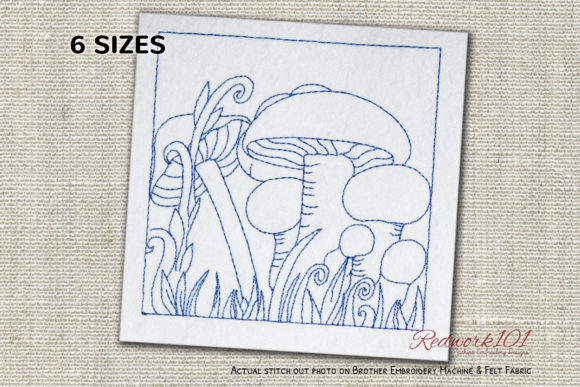
As an embroidery designer with years of experience creating personalized gifts, my first impression of the Mushroom Plant Redwork was immediately positive. The design has a soft, whimsical charm that feels both handmade and modern. The mushroom motif, paired with a delicate plant stem, brings a touch of nature indoors — perfect for baby items, nursery decor, or rustic wedding keepsakes.
What stands out most is the emotional appeal. This design feels playful yet elegant, with just enough detail to capture attention without overwhelming the fabric. It’s a sweet addition to the Single Flowers category, offering a unique twist that sets it apart from traditional floral motifs.
Perfect for a Wide Range of Personalized Gift Products
The Mushroom Plant Redwork is incredibly versatile when it comes to product applications. Here’s how I see it fitting into various gift categories:
- Baby Embroidery: Ideal for baby blankets, onesies, or burp cloths. The gentle lines and soft curves make it appropriate for both boys and girls.
- Wedding Gifts: A subtle, nature-inspired design that can be used on handkerchiefs, pillow covers, or custom tote bags for the bride and groom.
- Family Keepsakes: Adds a personal touch to embroidered picture frames, memory quilts, or linen keepsake boxes.
- Personalized Towels: Works beautifully on kitchen or bath linens, especially when paired with a name or monogram.
- Nursery Decor: The mushroom motif fits right into woodland or forest-themed nurseries, making it great for wall hangings or crib bedding.
- Tote Bags & Aprons: Its compact size makes it perfect for small to medium-sized embroidered accents on handmade or custom apparel.
- Craft Fair & Etsy Listings: Unique enough to stand out in a sea of floral designs, this machine embroidery design can attract customers looking for something different.
Where to Use with Care
While the Mushroom Plant Redwork is generally a solid design, there are a few product types and fabric choices where extra care is needed:
- Small Lettering: If adding text, ensure the font is legible on the final product. Test on scrap fabric first, especially if using delicate threads.
- Delicate Details: The fine lines in the mushroom cap and stem may not stitch well on textured or loosely woven fabrics.
- Thick Towels: Dense stitching may sink into heavy terry cloth, making the design appear less crisp.
- Stretchy Baby Clothes: Be cautious when embroidering on knit fabrics. Use appropriate stabilizer and test tension carefully.
- Curved Surfaces: Not ideal for curved pillow inserts or rounded tote bag corners without proper hooping techniques.
- Dark Fabric: The redwork style may not pop as well on dark backgrounds unless contrast is carefully considered.
- Frequent Washing: If using on baby items or kitchen linens, confirm the stitch density and thread quality will hold up to repeated laundering.
How It Enhances Gift Appeal and Customer Engagement
One of the biggest selling points of the Mushroom Plant Redwork is its giftability. It adds a handmade, personal touch that customers love — especially when they’re shopping for meaningful, one-of-a-kind items. This design helps elevate a simple product into a cherished keepsake.
From a business perspective, using this machine embroidery design in your shop can increase perceived value and customer trust. When customers see a well-executed embroidery like this, they associate your brand with quality and attention to detail. It also helps with product photography — the design’s visual interest makes for attractive, shareable images that can boost buyer engagement.
Practical Embroidery Notes for Best Results
Before using the Mushroom Plant Redwork in customer orders or listings, here are some essential steps to follow:
- Test on Scrap Fabric: Always run a test stitch-out to check clarity and tension before embroidering on the final product.
- Check Thread Color Contrast: Since it’s a redwork design, ensure the thread stands out clearly against the fabric color. Consider doing a light and dark fabric mockup.
- Confirm Hoop Size: Make sure the hoop you're using fits the design properly. If the hoop is too large or too small, it may affect stitch alignment.
- Review Stitch Density: Adjust if necessary, especially for thick or stretchy fabrics to avoid puckering or distortion.
- Use Proper Stabilizer: For best results, use a tear-away or cut-away stabilizer depending on the fabric type.
- Compare Light and Dark Mockups: Red thread may appear differently on various backgrounds. Test both to see which looks best for your product line.
- Check Small Details After Stitching: Fine lines can sometimes break or distort, so inspect the finished embroidery closely.
- Confirm Commercial Licensing: If you're selling finished products, ensure the digital embroidery file includes commercial use rights. If not, reach out to the designer for permission.
Final Thoughts: A Thoughtful Addition to Your Embroidery Collection
The Mushroom Plant Redwork is a standout design that brings a touch of whimsy and warmth to any personalized gift. Whether you’re an Etsy seller, baby product creator, or wedding gift designer, this embroidery file can help you create meaningful, high-quality items that customers will cherish.
It’s a great example of how a small, well-designed machine embroidery design can elevate a simple product into a treasured keepsake. As with any custom embroidery, taking the time to test and adjust ensures the best results — and the Mushroom Plant Redwork is definitely worth the effort.