★★★☆☆3.5(356 reviews)
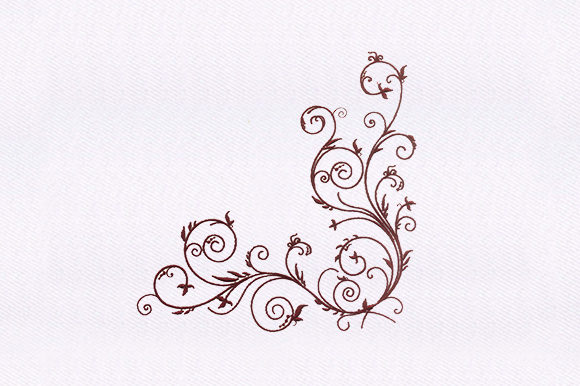
Maroon Stem Vines
p>As an embroidery designer prepping for a weekend craft fair, the
Maroon Stem Vines design immediately stands out for its refined simplicity and versatile appeal. The name alone suggests a deep, rich color palette with flowing botanical elements—perfect for handmade items that lean into farmhouse charm, rustic elegance, or soft modern decor. From the product description, this is clearly a
high-quality machine embroidery design, meant to elevate both fabric and finished products. It reads as a decorative, slightly romantic motif that could work well across a variety of booth items—from tote bags to pillow covers.
h2>Where Maroon Stem Vines Shines in Product Displays
p>For craft fair sellers and
Etsy sellers, presentation is everything.
Maroon Stem Vines has the potential to be a standout accent or a subtle embellishment, depending on how it's applied. Here’s how it could work across popular craft fair items:
Tote bags: As a central design on the front or a side accent, the maroon tones pop beautifully on natural or ivory cotton, giving a boutique feel.
Aprons: Positioned near the hem or on the chest, this design adds a touch of elegance without overpowering the garment.
Tea towels: Perfect for a kitchen display, especially when paired with coordinating thread colors that echo the stitching.
Embroidered patches: Works well as a stand-alone patch or layered on a denim jacket or tote.
Caps: The curved surface can challenge detail retention, so testing on a scrap cap is essential to preserve clarity.
Fabric pouches: Ideal for a boutique-style gift set or as a handmade accessory with a subtle but rich design.
Pillow covers: Scaled appropriately, this design can be a quiet focal point on a minimalist pillow.
h2>Practical Selling Points: Visibility, Simplicity, and Scalability
p>One of the most important aspects of a successful
craft fair product is how quickly a customer can understand and appreciate the design.
Maroon Stem Vines has clean lines and a recognizable botanical theme that makes it easy to grasp at a glance. Whether used as a small accent or a larger focal point, it maintains its visual integrity.
p>Photographing this design for online listings like
Etsy or social media should be straightforward—especially with good lighting that highlights the maroon thread against light backgrounds. This makes it ideal for sellers who also maintain a digital storefront or use
printable mockups in their marketing.
p>Batch production is another key factor for small shop owners. If the
stitch density isn’t too tight and the design is well-constructed, it should run smoothly across multiple hoopings. Just be sure to test the
embroidery file on scrap fabric first to gauge consistency and clarity.
h2>Careful-Use Notes: What to Watch For
p>While
Maroon Stem Vines seems like a strong contender for many
handmade products, there are a few red flags to watch for:
Dense stitch areas: If the design has tightly packed sections, it may pucker on lightweight fabrics or feel too stiff on apparel.
Dark fabric limitations: Maroon thread may blend into black or navy backgrounds, reducing contrast and visual impact.
Small sizes: Tiny details or thin lines may disappear when scaled down, especially on textured surfaces like tea towels.
Curved surfaces: Caps or curved pouches can distort the design, so test on a sample before committing to production.
h2>Impact on Visual Appeal and Booth Performance
p>From a visual merchandising standpoint,
Maroon Stem Vines adds a touch of sophistication to any product lineup. Its color and structure lend themselves well to a cohesive booth display, especially when paired with other botanical or vintage-inspired motifs.
p>It enhances
product value by signaling a level of craftsmanship and attention to detail that handmade buyers appreciate. The design also supports
brand consistency if you’re curating a line of embroidered items with a shared aesthetic—think soft florals, muted tones, and artisanal textures.
p>At a craft fair, where attention spans are short and competition is high, this design has the potential to draw customers in and encourage them to pick up and examine your products. That’s half the battle—once they feel the fabric and see the detail up close, they’re more likely to buy.
h2>Designer Notes: Production Tips Before You Stitch
p>Before diving into production, here are a few practical steps to ensure
Maroon Stem Vines performs as expected:
Test on scrap fabric to see how it stitches out on different materials.
Check thread contrast—especially if you’re using dark or textured fabric.
Review spacing between stitches to avoid bunching or distortion.
Confirm hoop size to ensure compatibility with your machine and product layout.
Inspect stitch density—adjust if necessary for softness or durability.
Use the right stabilizer to prevent puckering or shifting during embroidery.
Create at least one real mockup to see how the design looks in person and in product photos.
Compare fabric colors to ensure the maroon thread stands out as intended.
Confirm commercial licensing before selling finished products—especially if you're using the design in digital embroidery files or design assets.
h2>Final Thoughts: A Solid Choice for Market Crafters
p>
Maroon Stem Vines is a well-balanced
machine embroidery design that blends visual appeal with practicality. It’s not overly trendy, which makes it a safer bet for long-term inventory. It also plays well with others, meaning it can be part of a larger collection of
single flowers or botanical motifs without feeling repetitive.
p>For
creative entrepreneurs, boutique makers, and
digital sellers, this design offers flexibility across product types and a professional finish that customers will appreciate. Just be mindful of fabric choices, scale, and production testing to ensure the final
finished product meets your standards and sells well at your next craft fair or online listing.