Marijuana Leaf Design: A Professional Embroidery Designer’s Review for Small Business Branding
As a seasoned embroidery designer, I’m always on the lookout for versatile, visually appealing machine embroidery designs that small businesses can confidently use across merchandise, patches, uniforms, and branded items. The Marijuana Leaf Design immediately caught my eye—not just for its aesthetic appeal, but for its potential as a meaningful brand symbol across a wide range of business applications.
First Impressions: Bold, Modern, and Versatile
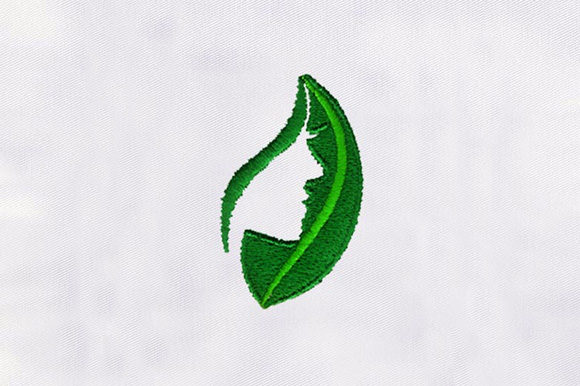
At first glance, the Marijuana Leaf Design exudes a clean, modern aesthetic. It’s not overly ornate or cluttered, which makes it ideal for small business owners looking for a design that feels professional yet approachable. The outline style gives it a minimalist edge, while still maintaining enough visual interest to stand out on apparel, tote bags, or embroidered patches.
Given its categorization under Outline Flowers, this design fits well within a broader collection of botanical-inspired motifs. It reads as both contemporary and slightly edgy, making it a great option for businesses in creative industries, wellness brands, or retail shops with a modern, casual vibe.
Real Business Use: From Caps to Tote Bags
Let’s talk practicality. As a designer, I’ve used similar motifs in commercial embroidery projects ranging from boutique merchandise to staff uniforms. The Marijuana Leaf Design adapts well to various placements:
- Embroidered Patches:: This design works beautifully as a standalone patch. Its clean lines translate well to iron-on or sew-on applications, especially when used as a branding accent on jackets or aprons.
- Cap Embroidery:: The symmetry of the leaf makes it ideal for front cap embroidery. It’s not too wide or detailed, so it holds up well on curved surfaces without losing clarity.
- Tote Bag Design:: Whether centered on a canvas tote or subtly placed near the strap, this design adds a touch of personality and brand recognition without overwhelming the product.
- Apron Embroidery & Staff Uniforms:: For small cafés or local shops wanting to personalize employee wear, this design offers a subtle yet stylish option. It can be stitched in a single color for a clean, uniform look.
- Product Packaging Accents:: When stitched onto fabric tags or swing tags, the Marijuana Leaf Design can serve as a unique, handmade product finisher.
Visual Consistency and Brand Identity
One of the most important aspects of any embroidery file is how well it supports brand identity. The Marijuana Leaf Design has the potential to enhance customer trust and recognition when used thoughtfully. Its distinct shape ensures visual consistency across merchandise, especially when paired with other design assets like logos or typography.
However, it's crucial to consider the brand message. This design carries a certain cultural connotation, so it's best suited for businesses whose values align with a relaxed, creative, or nature-inspired brand voice. Used correctly, it adds a layer of authenticity and professionalism to handmade products and small business merch.
Where to Use It Carefully
While the design is visually strong, there are a few practical considerations every embroidery shop or apparel decorator should keep in mind:
- Small Patch Sizes:: At reduced sizes, the finer details of the leaf may get lost. Always test the design at the intended patch size before production.
- Curved Surfaces:: While it works well on cap fronts, always ensure the hoop size accommodates the curvature and that the stitch density is adjusted to prevent distortion.
- Dark Uniforms:: Thread color contrast becomes critical on darker fabrics. Test different thread combinations to ensure visibility and clarity.
- Textured Fabric:: On materials like denim or twill, check how the stitch density interacts with the fabric texture. You may need to adjust underlay or stabilizer usage.
- Frequent Washing:: For uniforms or aprons, ensure the embroidery file is optimized for durability. Reinforce edges and use appropriate stabilizers to maintain the finished product’s integrity.
Practical Embroidery Designer Notes
Before using the Marijuana Leaf Design in a commercial embroidery project, here are some actionable tips from my own workflow:
- Test in Black and White First:: This helps evaluate clarity and proportion before committing to color.
- Check Small Patch Performance:: Resize the design and stitch a sample to see how it holds up at reduced scale.
- Review Thread Color Contrast:: Especially on dark or textured fabrics, choose thread colors that enhance legibility.
- Inspect Spacing and Density:: Make sure the stitch spacing is appropriate for the fabric type and intended use.
- Confirm Hoop Size Compatibility:: Match the design dimensions to your embroidery machine’s hoop size to avoid distortion.
- Test on Real Fabric:: Always stitch a sample on the actual garment or material to gauge the final look and durability.
- Use Proper Stabilizer:: For stretchy or delicate fabrics, use a quality stabilizer to prevent puckering or shifting.
- Create a Printable Mockup:: Show clients how the design will look on the product using digital mockups before stitching.
- Compare with Other Design Assets:: Ensure the Marijuana Leaf Design fits cohesively with your brand’s other visual elements.
- Confirm Commercial Licensing:: Before using the digital embroidery file for business, verify that it includes commercial use rights.
Final Thoughts: A Smart Choice for Modern Small Business Merch
The Marijuana Leaf Design is more than just an embroidery file—it's a strategic visual asset for small businesses aiming to build a cohesive and memorable brand presence. Whether used as a cap embroidery accent, a tote bag design, or part of a larger branded patch collection, it offers flexibility and style.
For Etsy sellers, crafters, and digital embroidery file buyers, this design opens up creative opportunities for custom apparel and handmade product branding. Just remember to test, sample, and plan accordingly to ensure the final product aligns with both your brand standards and your customers' expectations.