Cherry Plant Embroidery: A Seasonal Designer’s Review
The first time I saw the Cherry Plant embroidery design, I knew it had potential for holiday and seasonal product lines. As a designer who regularly curates collections for Etsy sellers, crafters, and small shop owners, I’m always on the lookout for embroidery files that strike a balance between charm and versatility. Cherry Plant delivers that in a sweet, understated package.
A Versatile Touch for Seasonal Embroidery
Cherry Plant brings a cozy, nostalgic vibe that works especially well in late spring through early fall. The design’s soft curves and detailed leaves give it a rustic yet modern feel, making it suitable for everything from kitchen towels to baby items. It doesn’t scream holiday, but that’s a good thing—it adapts. Whether you’re crafting embroidered pillow covers for farmhouse decor or personalized gifts for Mother’s Day, this design slips in naturally.
Its simplicity also makes it ideal for seasonal product drops where subtlety matters. Paired with the right thread colors, Cherry Plant can take on a festive tone for summer gatherings or a romantic edge for bridal shower gifts. It’s a machine embroidery design that invites customization without demanding attention.
Performance in Real Holiday Selling Situations
From an Etsy seller’s perspective, Cherry Plant is a solid investment. It works beautifully in gift bundles, especially when grouped with other floral or fruit-themed embroidery files. I’ve seen similar designs perform well in holiday markets and craft fairs—especially when displayed on tote bags or embroidered patches.
For limited edition apparel, try stitching Cherry Plant on the chest of a linen dress or a cotton apron. It adds just enough detail to make the item feel handmade and special. When used on kitchen towels or table linens, the design enhances the product’s visual recognition and increases perceived value.
Social media previews and printable mockups also benefit from its clean, elegant lines. Whether you’re creating a product carousel for Instagram or a seasonal lookbook, Cherry Plant photographs beautifully and reads well in thumbnails.
Where to Use Cherry Plant Carefully
While the design is versatile, it does have some nuances. Stitch density is moderate, which means it works best on stable fabrics like cotton or linen. I wouldn’t recommend it for stretchy garments unless you stabilize properly—otherwise, distortion can occur.
Also, if you're planning to use it on thick towels or curved surfaces like caps, test first. The details in the leaves and stem may not stitch as crisply on textured or uneven materials. And while the design doesn’t include tiny lettering, if you plan to pair it with text, be mindful of hoop size and legibility.
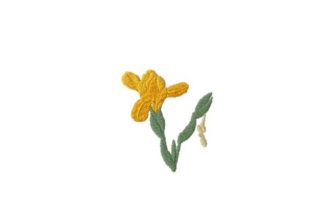
Dark fabric users should test thread colors before production. The Cherry Plant embroidery shines best when the thread contrasts subtly with the background, so consider using light or pastel tones for a soft, elevated look.
Seasonal Appeal and Emotional Impact
One of the biggest selling points of Cherry Plant is its emotional resonance. It feels personal, thoughtful, and familiar—key traits for holiday embroidery and handmade gifts. Buyers respond to that. Whether it’s stitched onto a baby onesie or a holiday ornament, the design adds a touch of warmth that makes the item feel like a keepsake.
This emotional connection also builds customer trust. Repeat buyers often look for designs that feel consistent in quality and aesthetic. Cherry Plant fits that need. It’s not overly trendy, so it can be reused across seasons with slight variations in thread or placement.
Brand consistency is another win. If you’re building a cohesive product line—say, for a summer-themed collection or a rustic home decor set—Cherry Plant blends well with other floral and nature-inspired designs. It helps create a unified visual language that shoppers remember.
Before adding Cherry Plant to your seasonal product lineup, here are a few practical tips:
- Test thread colors on both light and dark fabric: to ensure contrast and clarity.
- Check stitch density: , especially if you're using textured or thick materials.
- Confirm hoop size: matches your machine and intended placement.
- Use proper stabilizer: for stretchy or delicate fabrics to avoid distortion.
- Create realistic mockups: using digital embroidery files to visualize the finished product.
- Review small details after stitching: , particularly in the leaf veins and stem curves.
- Plan matching color palettes: to coordinate with other seasonal embroidery files.
- Confirm commercial licensing: if you're selling finished products, especially on platforms like Etsy.
Cherry Plant is a strong contender for any small shop product or seasonal embroidery collection. It’s not just a cute design—it’s a flexible, emotionally engaging, and commercially viable embroidery file that enhances both product value and customer satisfaction.
For embroidery sellers, holiday product creators, and digital embroidery file buyers, this is one machine embroidery design worth exploring. Whether you're crafting for Etsy, preparing for a craft fair, or building a holiday drop, Cherry Plant offers the kind of seasonal charm that shoppers keep coming back for.