Cactus Line Art: A Minimalist Embroidery Design for Business Branding
First Impressions: Clean, Playful, and Versatile Visual Personality
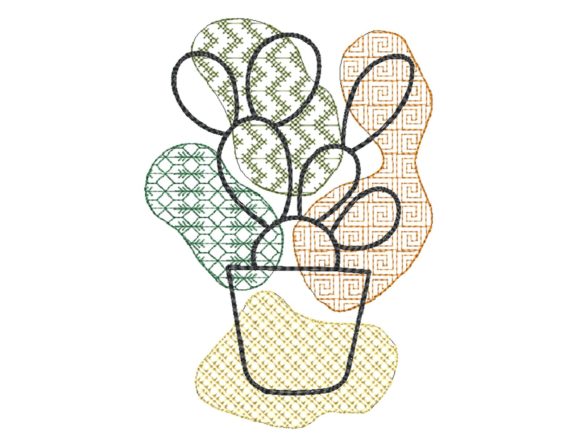
The Cactus Line Art design immediately stands out with its minimalist, hand-drawn aesthetic. As a professional embroidery designer, I appreciate how this single-flower design balances simplicity with character. It feels modern yet approachable, making it a strong contender for small businesses seeking a friendly, recognizable emblem without appearing too casual or unpolished.
Its line art style suggests a handmade quality, which aligns well with Etsy sellers, boutique brands, and local businesses aiming to emphasize craftsmanship and authenticity. While not overtly bold or decorative, it carries enough visual presence to work as a chest logo, sleeve accent, or patch—especially when paired with thoughtful thread choices and fabric selection.
Real Business Use: From Staff Uniforms to Merchandise Labels
When evaluating Cactus Line Art for commercial embroidery use, its adaptability shines. Here's how it performs across common small business applications:
- Embroidered patches: Works well as a standalone patch or layered into a larger design. Its clean lines hold up on twill, felt, and denim.
- Staff uniforms: Ideal for subtle chest logos on shirts or aprons. It maintains clarity even at reduced sizes.
- Cap embroidery: Suits front cap placements, especially when scaled appropriately and tested on curved surfaces.
- Tote bag branding: Offers a chic, understated mark on natural canvas or linen tote bags—perfect for boutique merchandise or customer gifts.
- Product packaging accents: Can be embroidered onto tags or small fabric labels for handmade product packaging.
This machine embroidery design also lends itself well to event merch, seasonal collections, and creative studio branding. Its single-flower motif is versatile enough to be part of a larger design suite or used as a stand-alone asset in printable mockups.
Where to Use with Caution: Size, Fabric, and Detail Considerations
While Cactus Line Art is well-structured, there are a few key areas where caution is advised:
- Small patch sizes: Fine lines may close up or become indistinct below 1.5 inches unless stitch density and spacing are adjusted.
- Curved surfaces (like caps):strong> Test placement and distortion on a sample hoop before full production.
- Textured or heavy fabrics: The design may lose definition on thick materials like fleece or corduroy unless underlay and stabilizer are optimized.
- Dark uniforms: Contrast matters—ensure thread color stands out clearly against fabric without overpowering the minimalist style.
- Frequent-wash items: Check for stitch security and thread durability, especially if used on aprons or workwear.
As with any digital embroidery file, always test on the intended fabric and review stitch paths before committing to large-scale use.
Brand Identity Impact: Building Recognition with a Signature Touch
Using Cactus Line Art consistently across your merchandise, uniforms, and packaging helps build a cohesive brand presence. Its understated charm can subtly reinforce professionalism while maintaining a unique, handmade appeal—ideal for cafes, florists, craft studios, and indie retailers.
For small business merch creators, this design can serve as a signature element that customers begin to associate with your brand. When placed thoughtfully—such as on tote bags or embroidered gift tags—it enhances perceived product value and creates a memorable unboxing experience.
From a design asset perspective, it pairs well with other botanical or nature-inspired motifs, making it easy to expand into seasonal or thematic collections without losing visual consistency.
Designer Notes: Practical Tips for Using Cactus Line Art in Business Projects
Before deploying Cactus Line Art in any commercial embroidery project, here are key steps to ensure quality and client satisfaction:
- Test in black and white first: Helps assess clarity and contrast before choosing thread colors.
- Check small patch compatibility: Resize to 1.5–2 inches and review stitch spacing and line definition.
- Review thread color contrast: Especially important for dark or textured fabrics.
- Inspect spacing and underlay: Ensures the design doesn't collapse or distort at smaller sizes.
- Confirm hoop size: Make sure it fits within your machine's capabilities.
- Test on real fabric: Always run a sample stitch-out on the intended material.
- Use proper stabilizer: Especially critical for stretchy or delicate fabrics.
- Create a mockup for client approval: Use design software to show placement and scale before production.
- Compare with other design assets: Ensure it aligns visually with your existing brand elements.
- Confirm commercial licensing: Since this is a digital embroidery file, always verify usage rights before applying it to products for sale.
Final Thoughts: A Thoughtful Addition to Your Embroidery Design Library
Cactus Line Art may appear simple at first glance, but its clean lines and adaptable style make it a valuable asset for small business branding. Whether used as a subtle chest logo on aprons or a standout detail on tote bags, this embroidery file offers flexibility, professionalism, and a touch of charm.
For embroidery shops, apparel decorators, and digital file buyers, it’s worth exploring how this design can enhance your visual identity while maintaining technical precision. As with any commercial embroidery project, attention to detail and testing are key—but with the right approach, Cactus Line Art can become a signature element of your brand’s story.