Blue Flower Embroidery Design: A Designer’s Honest Review
First Impressions: A Fresh, Versatile Spring Design
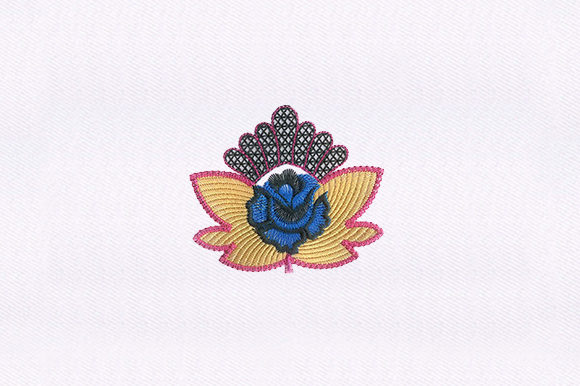
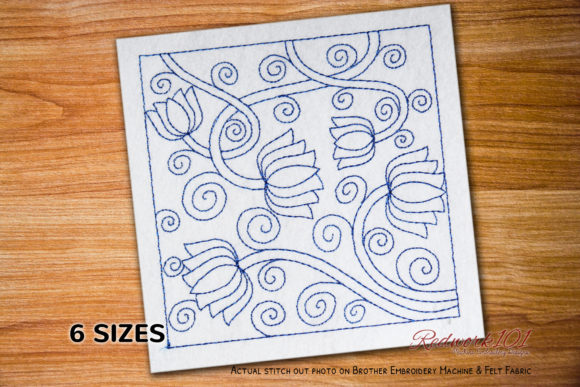
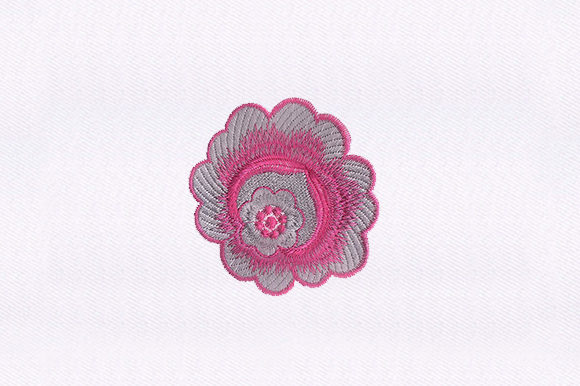
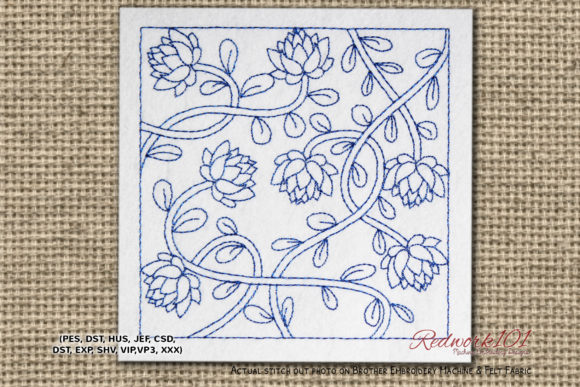
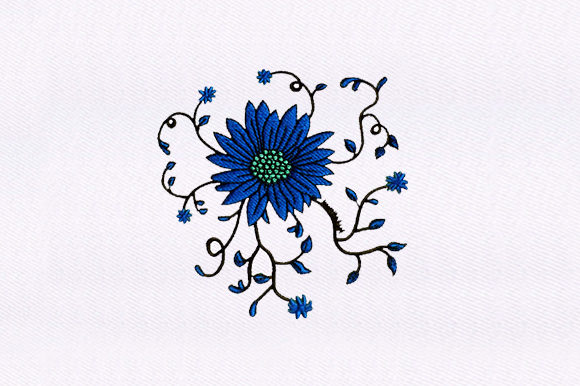
The Blue Flower embroidery design immediately caught my eye with its soft, airy aesthetic. It feels like a breath of spring air—light, elegant, and easy to love. The floral motif is simple but not boring, detailed enough to draw attention without overwhelming the fabric. It gives off a gentle, romantic vibe that’s perfect for baby clothes, boutique tote bags, or even personalized pillow covers for a nursery or living room.
From a design standpoint, the layout is balanced and symmetrical, which makes it ideal for center placement on garments or accessories. The lines are clean, and the overall shape flows well. It doesn’t lean too heavily into any one style—neither too modern nor too vintage—which means it can easily adapt to different product types and customer tastes.
Real-Life Use: From Sweatshirts to Baby Onesies
I recently tested the Blue Flower embroidery design on a custom embroidered tote bag and a baby onesie, both made from cotton canvas and knit fabric respectively. The result was surprisingly consistent across both materials. The design stitched out cleanly without pulling or distortion, even on the stretchier knit fabric.
- On the tote bag, it added a soft focal point that elevated the simple design of the bag without looking too busy.
- On the baby onesie, it looked delicate and sweet—perfect for gender-neutral baby gifts or personalized keepsakes.
I also tried it on a sweatshirt mockup, and while it scaled well, I’d recommend using it as a chest or wrist accent rather than a full sleeve design. It maintains its clarity at smaller sizes, which makes it a solid choice for Etsy sellers offering customizable embroidered apparel or accessories.
Where Blue Flower Shines
This design works especially well in the following contexts:
- Personalized gifts: It’s ideal for embroidered tea towels, blankets, or pillows with names or dates added nearby.
- Boutique merchandise: Think linen aprons, cotton dresses, or denim jackets for a soft spring touch.
- Embroidered patches: Due to its moderate stitch count and clean lines, it holds up well when turned into a patch.
- Digital product previews: Its soft colors and clear shape make it a great fit for printable mockups used by digital embroidery sellers.
Where to Use Blue Flower Carefully
While versatile, the Blue Flower design isn’t a one-size-fits-all solution. Here are a few things to keep in mind when planning your project:
- Small hoop sizes: If your hoop is under 4x4 inches, you may lose some of the finer details in the petals and leaves.
- Dark fabrics: The blue tones can blend into dark backgrounds, making the design less visible. Consider testing with contrasting thread colors.
- Stretchy or textured fabrics: While it handled cotton well, I’d recommend using a quality stabilizer when working with knits or towels to avoid distortion.
- Curved surfaces: Caps or curved pillow corners might cause the design to pucker if not hooped properly.
How It Impacts Your Product and Customer Perception
As a designer, I always think about how a design translates from the machine to the customer’s hands. The Blue Flower embroidery design adds a subtle but meaningful touch to any finished product. It feels handmade without looking amateurish, which is key for Etsy sellers or small shop owners trying to build brand trust.
On items like embroidered baby clothes or boutique tote bags, it gives a sense of care and craftsmanship. It also works well in commercial embroidery projects where consistency across multiple items is important. The design doesn’t scream for attention but instead complements the item it’s on—exactly what you want for a versatile, repeatable design asset.
Designer Notes: Practical Tips Before You Stitch
Here are a few practical reminders before you dive into your next project with Blue Flower:
- Test on scrap fabric first, especially if you’re using an unfamiliar material.
- Check thread color contrast, particularly on dark or patterned fabrics.
- Verify stitch density, especially if you’re resizing the design up or down.
- Confirm hoop size compatibility with your machine before stitching out.
- Inspect small details like leaf veins or petal edges to make sure they’re clear after stitching.
- Try black and white mockups to see how the design reads without color.
- Use the right stabilizer based on your fabric type to avoid puckering or shifting.
- Review licensing terms, especially if you plan to sell finished items or include it in digital embroidery bundles.
Final Thoughts: A Thoughtful, Flexible Design for Real Projects
The Blue Flower embroidery design is more than just a pretty floral motif. It’s a functional, adaptable embroidery file that can work across a wide range of real-life projects—from custom apparel to handmade gifts and boutique merchandise. It stitches cleanly, looks good in both light and dark thread options, and has enough visual interest to stand out without overpowering the item it’s on.
If you’re an embroidery designer or small business owner looking for a reliable spring design that’s easy to use and easy to sell, Blue Flower is worth adding to your collection. Just make sure to test it thoroughly and pair it with the right product type to get the most out of its soft, elegant charm.